
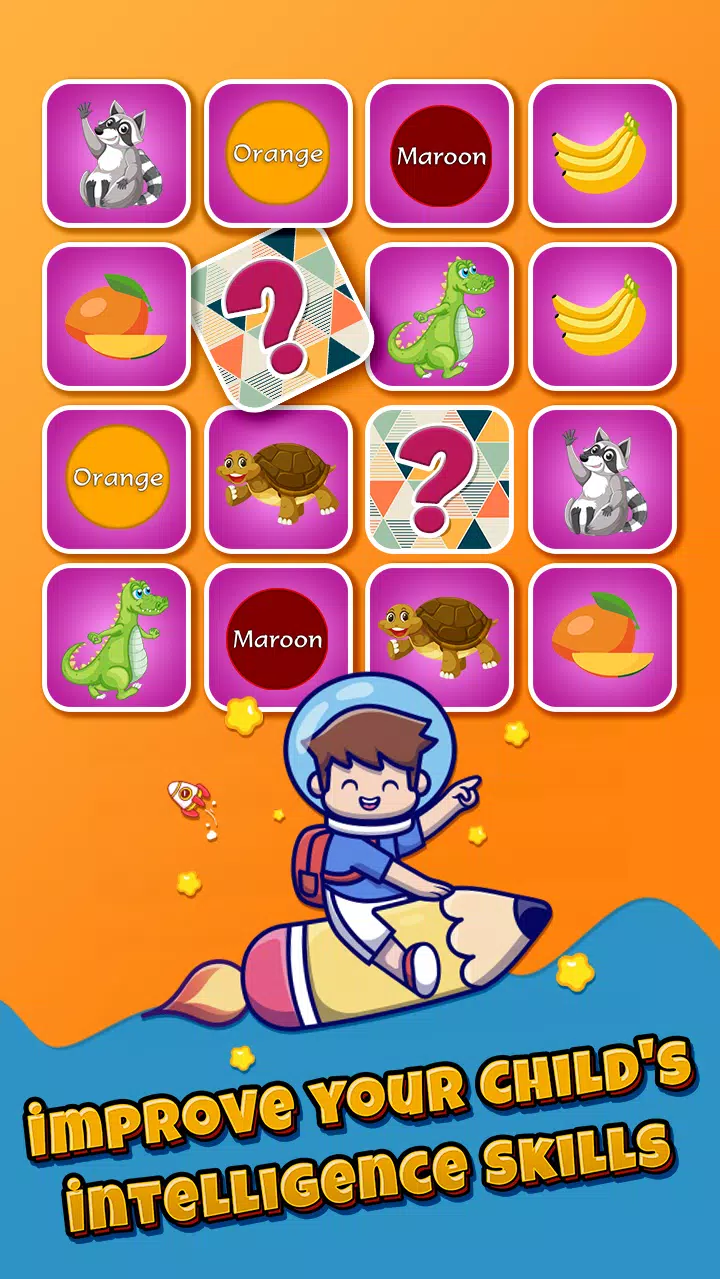
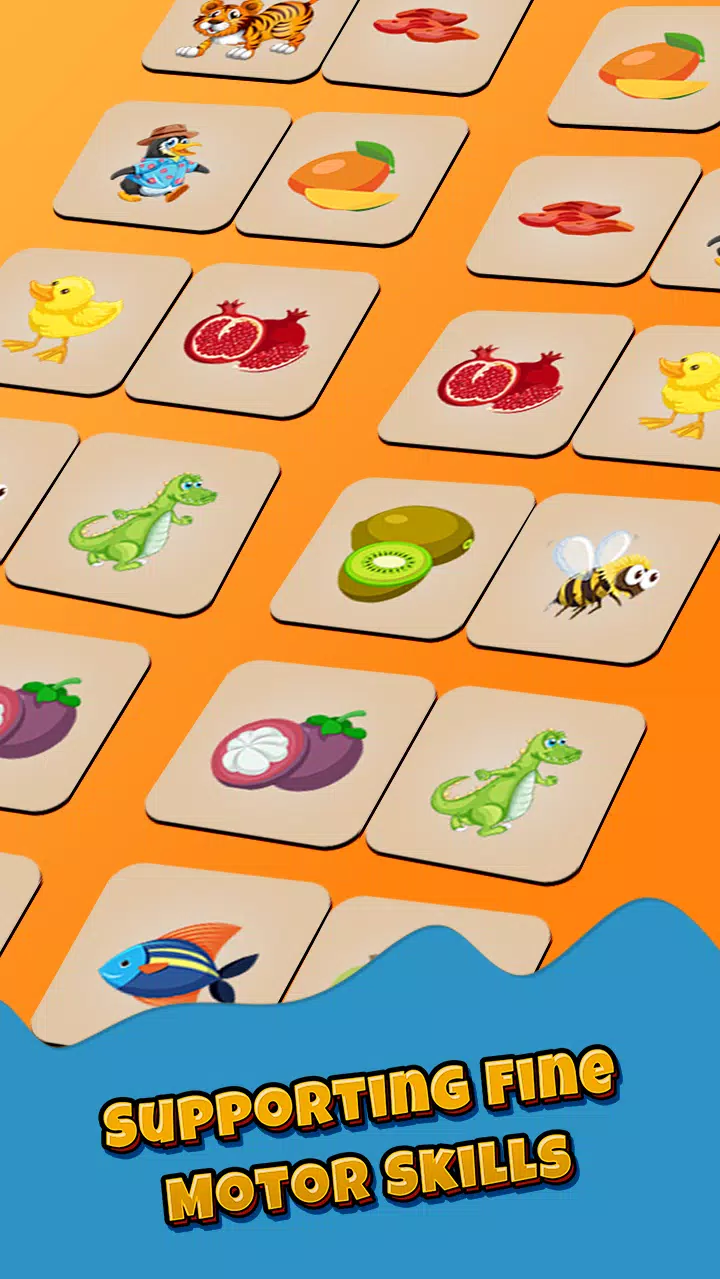
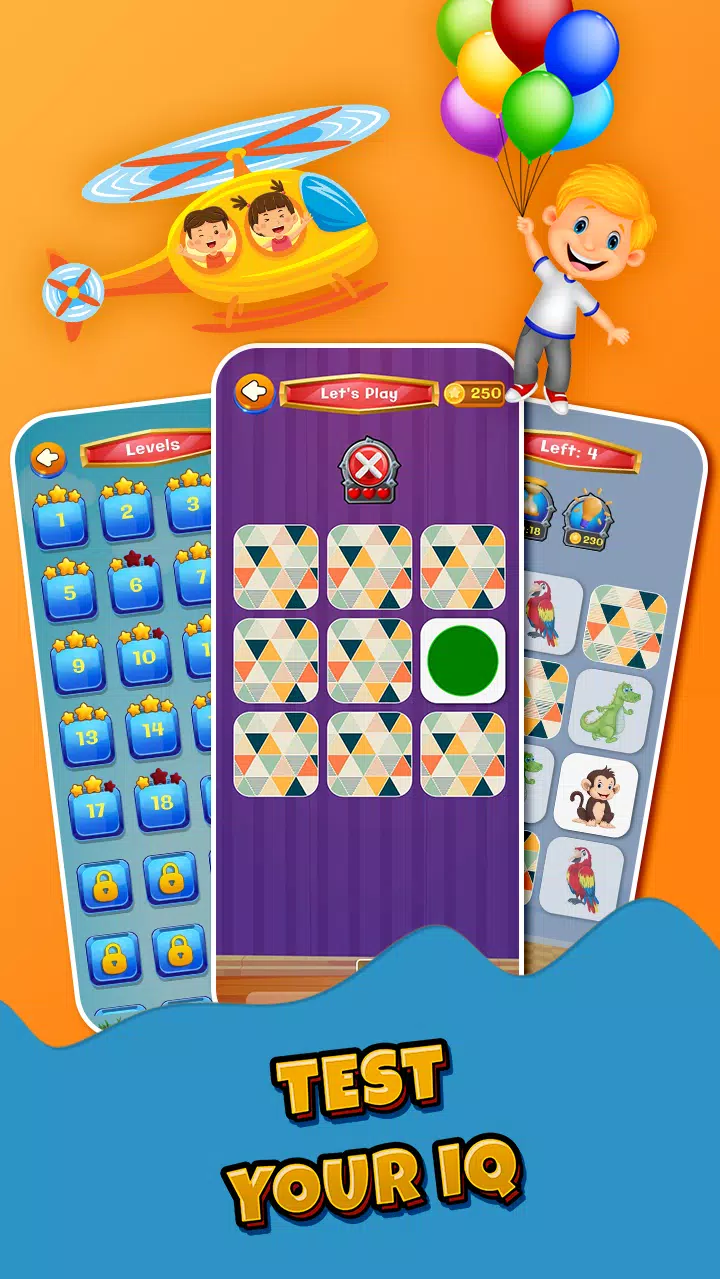
Mejore la memoria de su hijo con la coincidencia de memoria: ¡Tarjeta de memoria! "Memory Matching: Memory Card" es una aplicación móvil cautivadora y educativa diseñada para impulsar las habilidades cognitivas de los niños a través del juego involucrado. Perfecto para niños y niños pequeños, esta aplicación combina diversión con técnicas probadas de mejora de la memoria. Explore el emocionante mundo de la coincidencia de la memoria, donde cada grifo presenta un nuevo desafío de memoria diseñado para nutrir las mentes jóvenes. Más que un solo juego, esta aplicación acelera el aprendizaje y desbloquea el potencial de memoria de su hijo. Matriota de memoria: la tarjeta de memoria ofrece una experiencia de aprendizaje rica e interactiva que va más allá de los métodos tradicionales, cautivando a los niños de todas las edades.
Memory Matching
- Categoría : Educativo
- Versión : 0.03
- Tamaño : 35.3 MB
- Actualizar : Feb 23,2025
-
Golf Star 2 se preregistra para su lanzamiento en iOS y Android

Golf Star 2 ya disponible para la pre-registro en Android e iOSCrea tu golfista personalizado en este simulador deportivo accesibleCompite en partidos 1 contra 1 contra jugadores globales y asciende en el rankingSeamos honestos: el golf tradicional n
by Grace Oct 04,2026
-
Godzilla llega a Fortnite esta semana
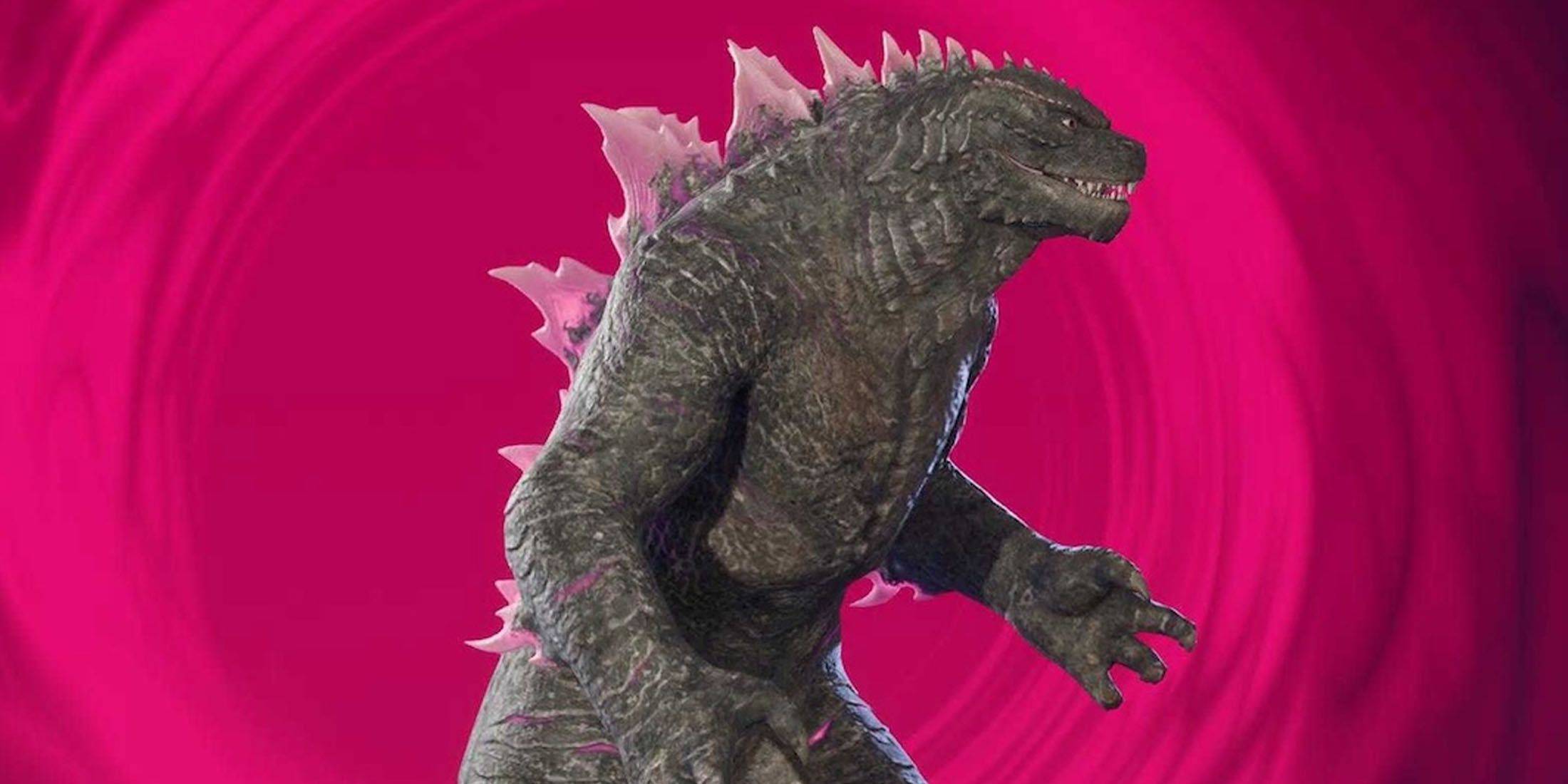
Aspectos destacados Fortnite presenta a Godzilla en la versión 33.20, que se lanzará el 14 de enero. El monstruo podría aparecer como un jefe NPC junto a King Kong. Los propietarios del Pase de Batalla podrán desbloquear dos trajes de Godzilla a par
by Savannah Oct 04,2026




-
Dominar sus finanzas: aplicaciones y herramientas esenciales

Un total de 9 03-04
-
El mejor software de edición de fotografías
Un total de 10 01-05
-
 Master Puzzle Block Rompecabezas丨8.0 MB1
 -
 2
2 -
 About Climbing: Difficult Game Acción丨147.04M3
 -
 4
4 -
 The Loud House Lost Panties Casual丨830.26M5
 -
 Robot Car Transform Games 3D Acción丨111.00M6
- Pokemon TCG Pocket Racklah solicita mejoras de la función de negociación
- Wuthering Waves: códigos de canje exclusivos para enero de 2025
- Los teléfonos ultra inteligentes Samsung Galaxy S25 y S25 se lanzan oficialmente hoy
- Genshin ImpactSe filtra interesante cambio de Arlecchino para 5.4
- Elden Ring: Nightreign Trailer y pedidos anticipados abiertos
- Bend Studio Dev dice 'Todavía planeamos crear una buena s ** t' después de la cancelación del servicio en vivo de Sony
- Trails of Cold Steel: NW: todos los códigos de canje en funcionamiento, enero de 2025
- Se informa que los desarrolladores de Marvel Rivals nerfearán a Hawkeye y Hela
- Cuidado con los tramposos en Marvel Rivals