
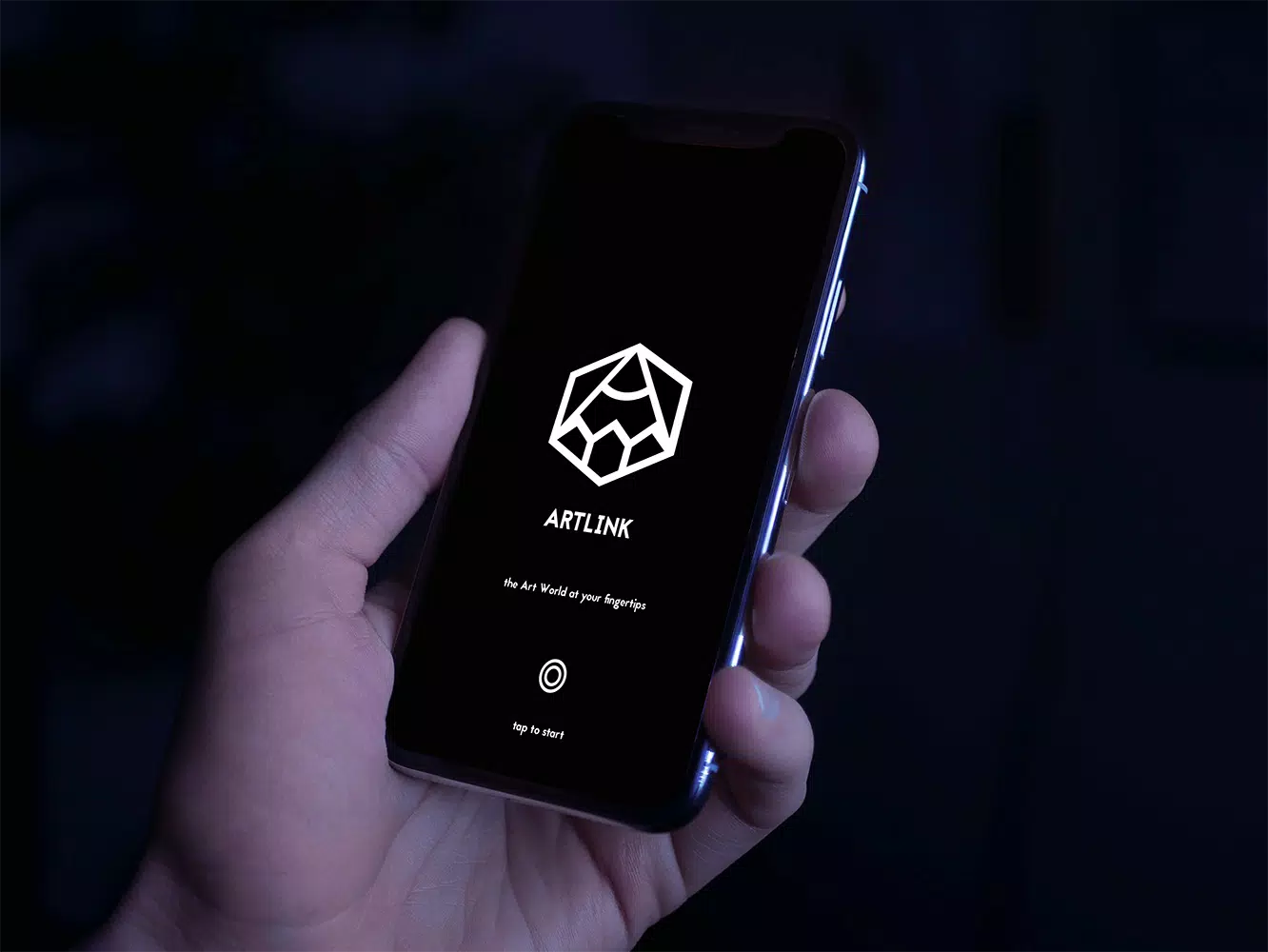
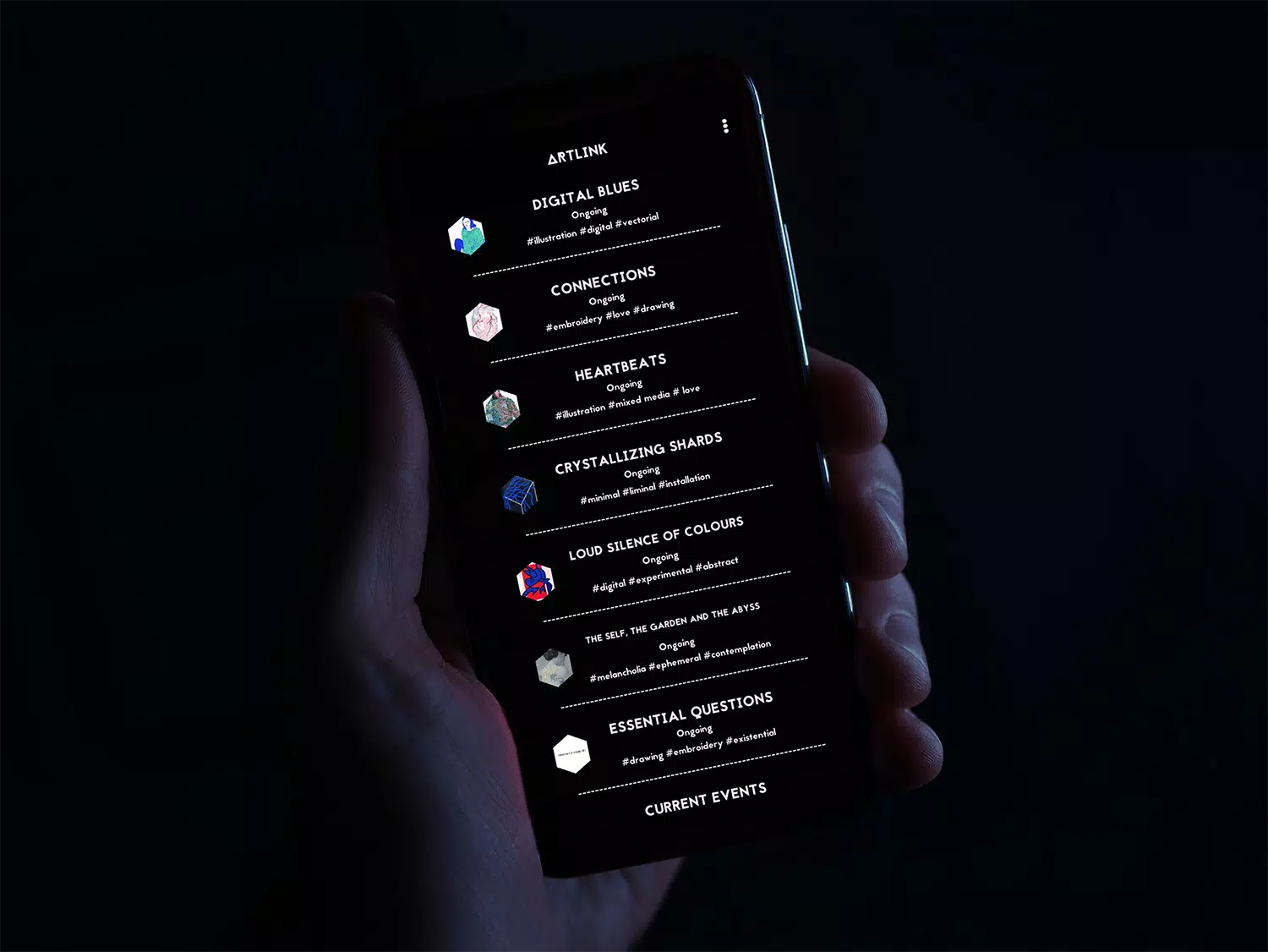
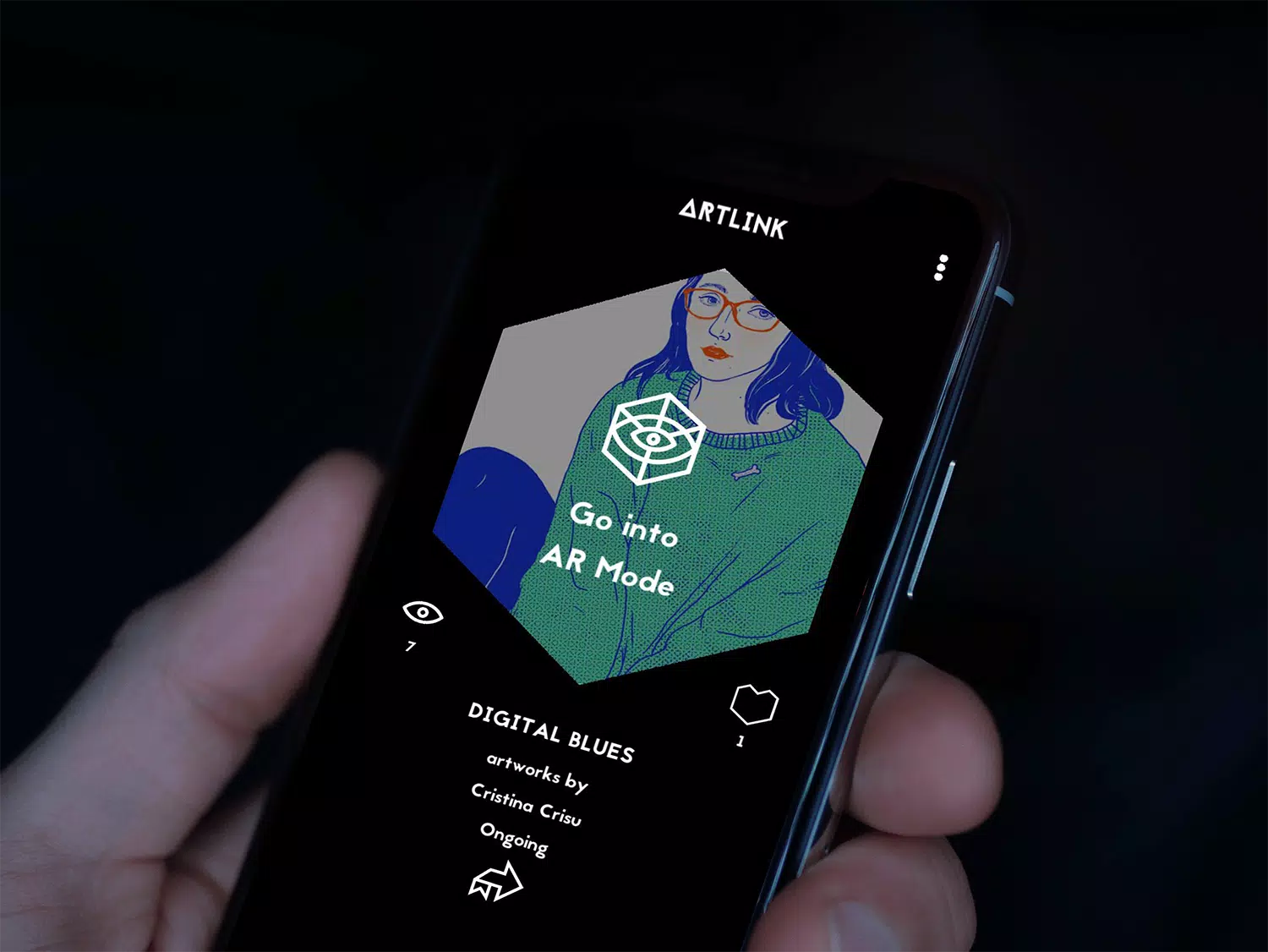
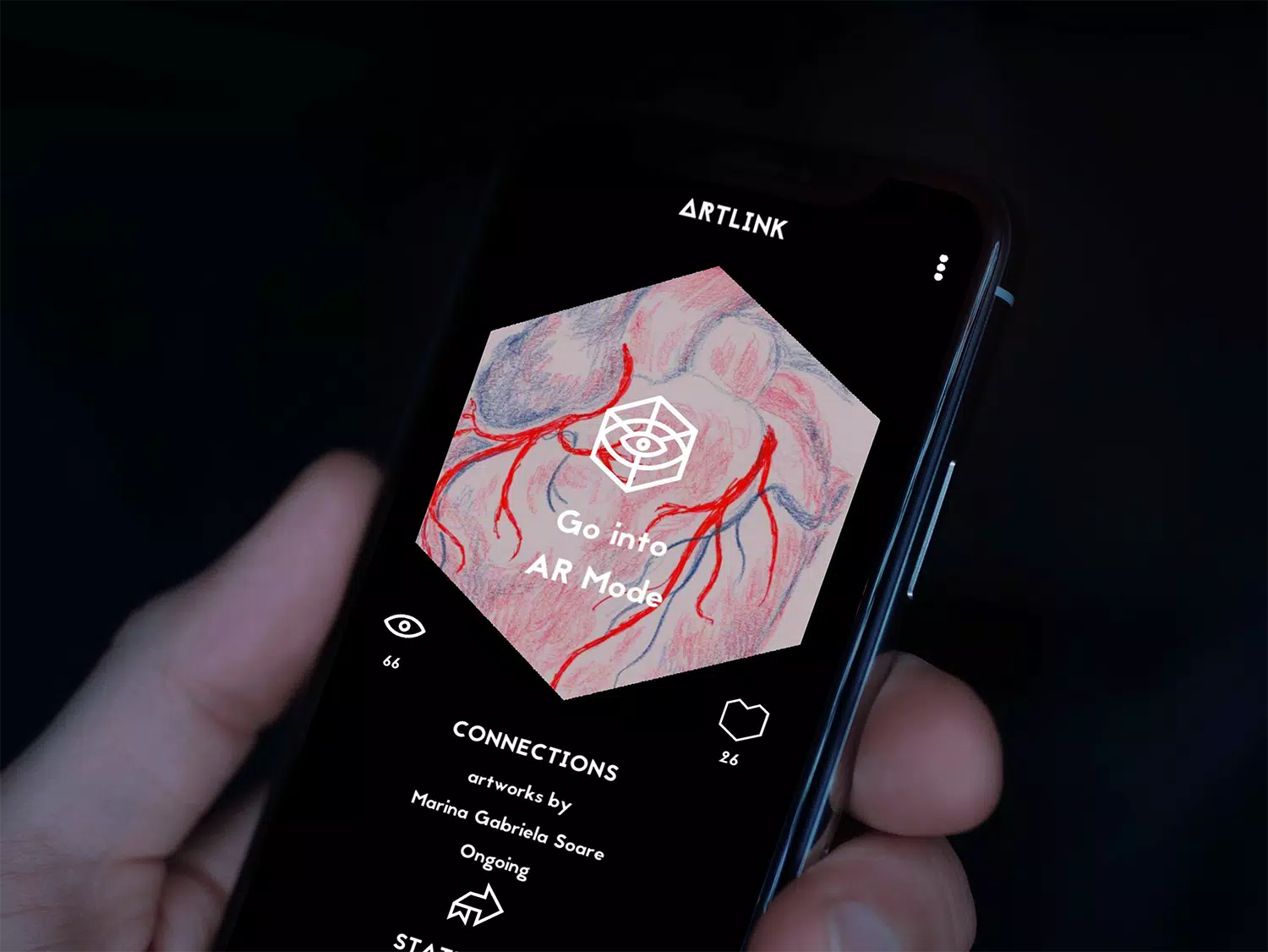
Descubra el Artworld a su alcance con Artlink, una plataforma revolucionaria diseñada para la comunidad global de artistas visuales. Artlink aprovecha el poder de la realidad aumentada (AR) para cerrar la brecha entre los artistas y su audiencia, eliminando la necesidad de visitas físicas a las exposiciones y galerías de arte. Con solo un teléfono inteligente, los usuarios pueden llevar exposiciones de arte a sus propios espacios de vida, lo que les permite colocar e interactuar con modelos 3D de obras de arte en cualquier entorno público o privado. Este enfoque innovador no solo mejora la accesibilidad, sino que también proporciona una experiencia única e inmersiva, lo que permite a los amantes del arte analizar y apreciar las piezas de arte en una dimensión completamente nueva.
ArtLink
- Categoría : Diseño artístico
- Versión : 96
- Tamaño : 41.8 MB
- Revelador : ColorfulCoding
- Actualizar : Mar 28,2025
-
EVE de Stellar Blade podría llegar a NIKKE en una transmisión especial
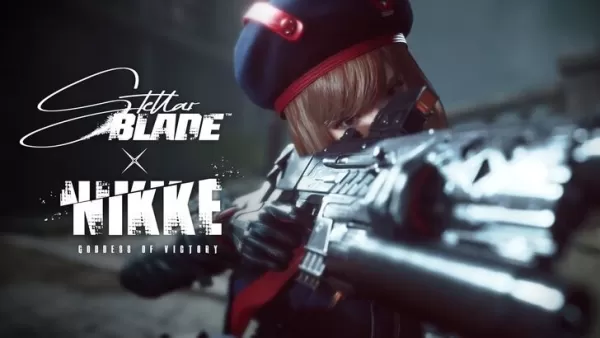
La próxima transmisión en vivo especial de NIKKE x Stellar Blade presentará nuevos personajes e historias para el juego de disparos en tercera persona. Sigue leyendo para descubrir más detalles sobre el evento en línea y la demostración para PC de St
by Gabriella Oct 01,2026
-
Se detecta un gráfico de Cross-Buy en PlayStation 5, lo que aviva la esperanza de que Sony finalmente introduzca compras duales para PS5 y PC
Una gráfica de "Cross-Buy" detectada en la PlayStation Store ha despertado especulaciones sobre si Sony anunciará la compra entre plataformas para sus juegos, tanto en consolas como en PC.Se han encontrado referencias a una "crossbuy-tag" en la PlayS
by Ethan Oct 01,2026




-
Dominar sus finanzas: aplicaciones y herramientas esenciales

Un total de 9 03-04
-
El mejor software de edición de fotografías
Un total de 10 01-05
-

-
 Launcher<3 Personalización丨3.30M2
 -
 3
3 -

-
 5
5 -
 6
6
- Wuthering Waves: códigos de canje exclusivos para enero de 2025
- Genshin ImpactSe filtra interesante cambio de Arlecchino para 5.4
- Los teléfonos ultra inteligentes Samsung Galaxy S25 y S25 se lanzan oficialmente hoy
- Bend Studio Dev dice 'Todavía planeamos crear una buena s ** t' después de la cancelación del servicio en vivo de Sony
- Elden Ring: Nightreign Trailer y pedidos anticipados abiertos
- Se informa que los desarrolladores de Marvel Rivals nerfearán a Hawkeye y Hela
- Pokemon TCG Pocket Racklah solicita mejoras de la función de negociación
- Trails of Cold Steel: NW: todos los códigos de canje en funcionamiento, enero de 2025
- Cuidado con los tramposos en Marvel Rivals