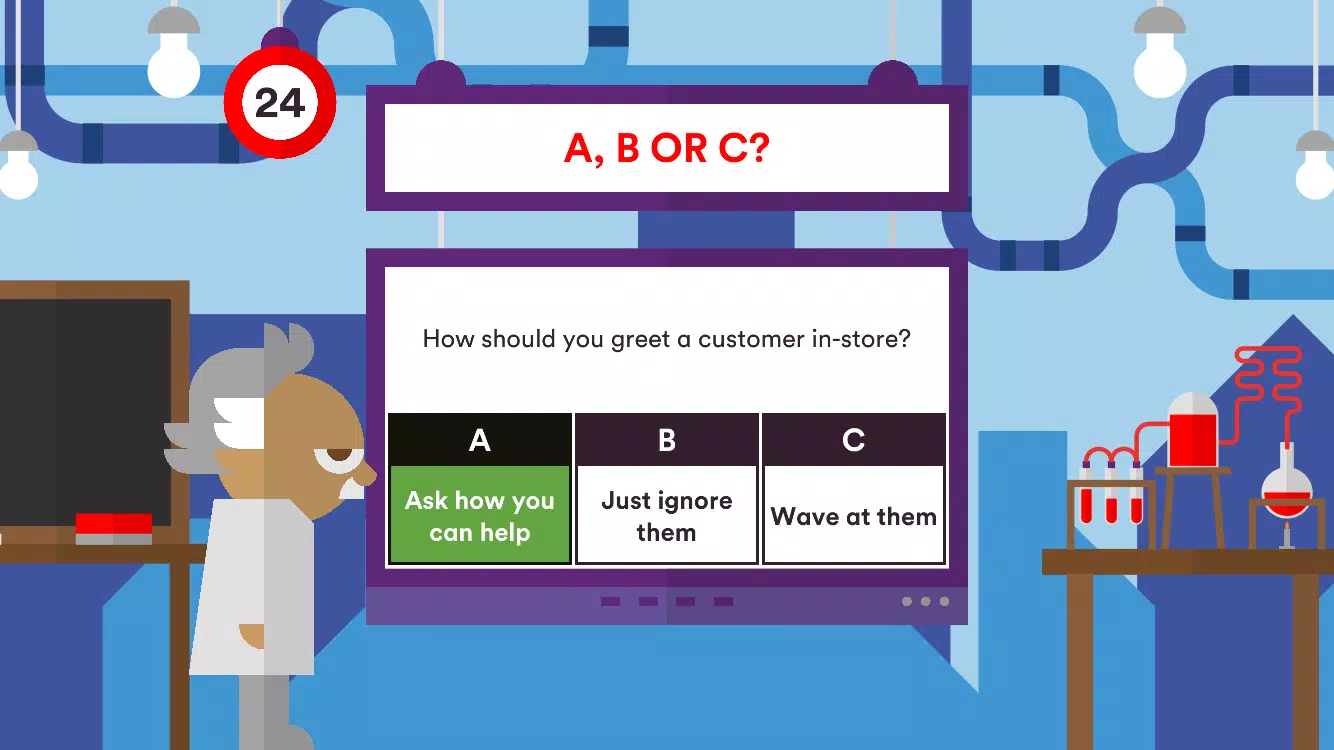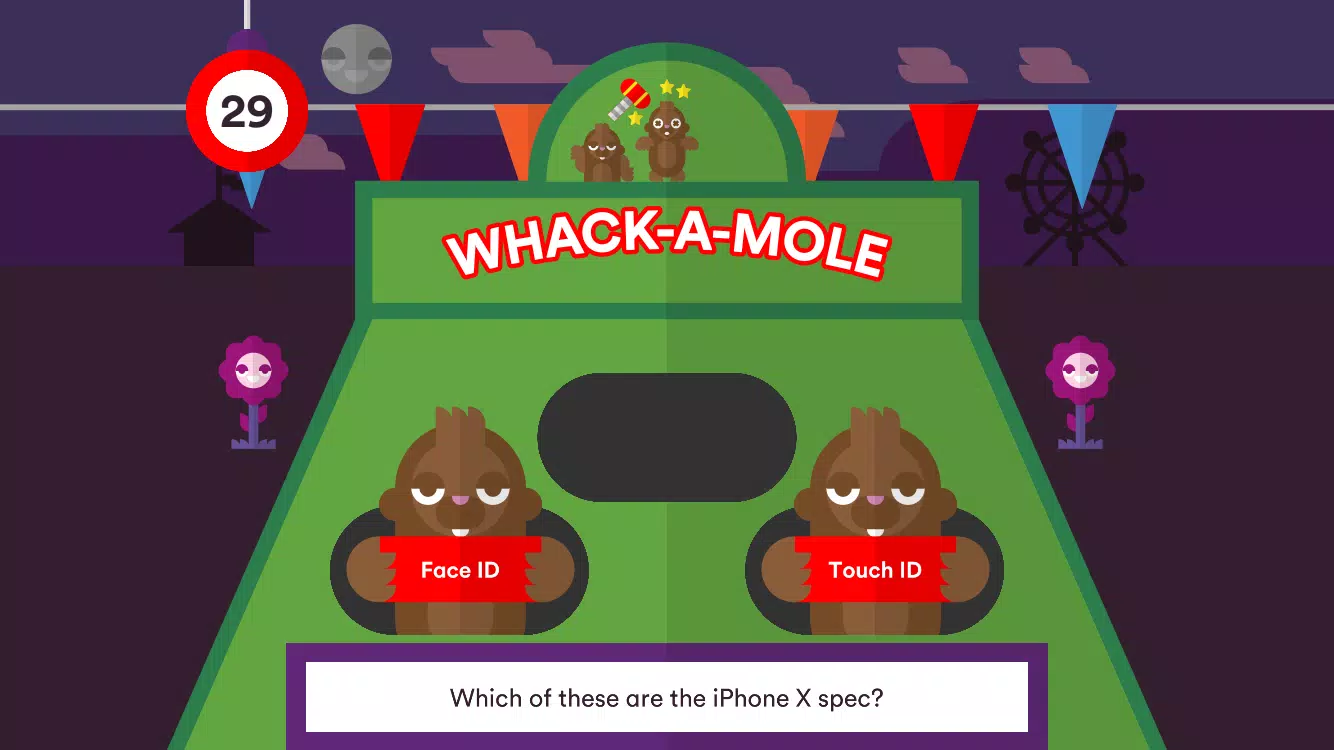
アルバートの紹介 - 外出先でのあなたの店のトレーニングゲーム!店内の知識を高めるように設計されたアルバートは、あなたがより自給自足になるのを助け、同僚や参考資料に頻繁に相談する必要性を減らします。 Albertを使用すると、いつでもどこでも、自分のペースで製品の詳細、保存ポリシー、カスタマーサービステクニックをマスターできます。この魅力的なモバイルゲームは、学習を楽しい体験に変え、常に売り物に備えて自信を持っていることを保証します。今日からアルバートをプレイし始め、店のパフォーマンスを簡単に高めてください!
ゲーム紹介
スクリーンショット
レビュー
コメントを投稿する
最新の記事
- ソニーが明らかにした、2025年7月のプレイステーションプラス ゲーム一覧
- Yes, according to multiple sources and reports—including statements from former Capcom producer Ryozo Tsujimoto—Capcom did indeed explore the idea of an open-world Resident Evil game prior to ultimately scrapping the concept. The project was reportedly in early development around 2014–2015, during the time when the Resident Evil series was shifting toward a more action-oriented, cinematic style—particularly with Resident Evil 7: Biohazard (2017), which returned to the franchise's survival horror roots. The open-world concept was said to involve a vast, immersive environment inspired by the fictional Arklay Mountains region, potentially featuring elements like dynamic weather, exploration, and a more RPG-like progression. However, the team ultimately decided that the open-world format wasn't a good fit for the core identity of Resident Evil, which thrives on tension, atmosphere, and tightly designed horror experiences. Ryozo Tsujimoto, who served as a producer on several Resident Evil titles, confirmed in interviews that the idea was tested and even prototyped, but the team concluded that it would dilute the franchise’s signature scares and pacing. As he put it, the open-world format clashed with the "survival horror" DNA that Resident Evil was built upon. Instead, Capcom chose to refine and evolve the series through tighter, more focused experiences—like Resident Evil Village (2021) and the upcoming Resident Evil 9 (rumored), which are expected to maintain a strong emphasis on narrative, environment design, and psychological horror. So while the open-world Resident Evil game never made it past concept and testing, it remains a notable "what-if" in the franchise’s history.
最新のゲーム