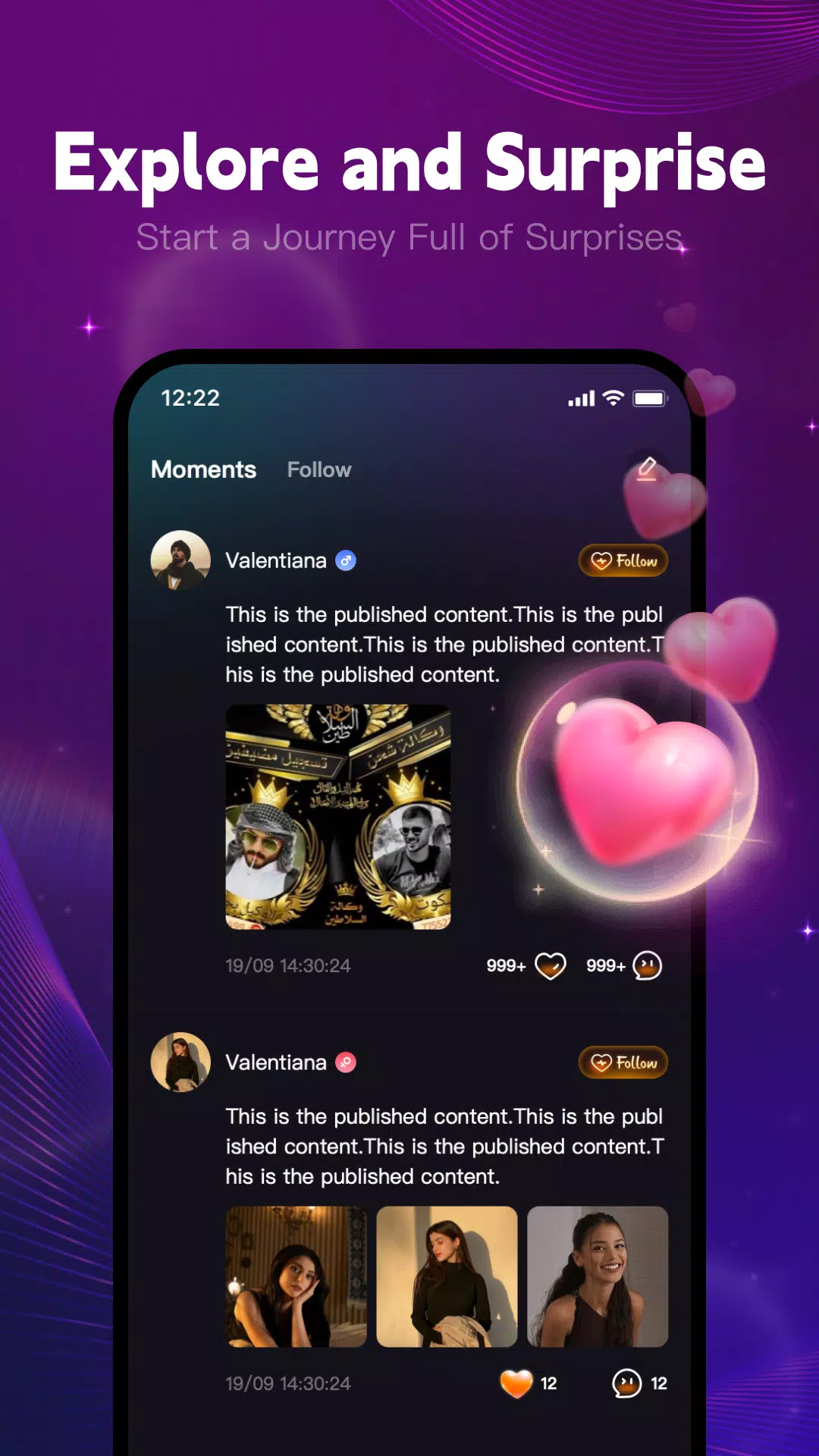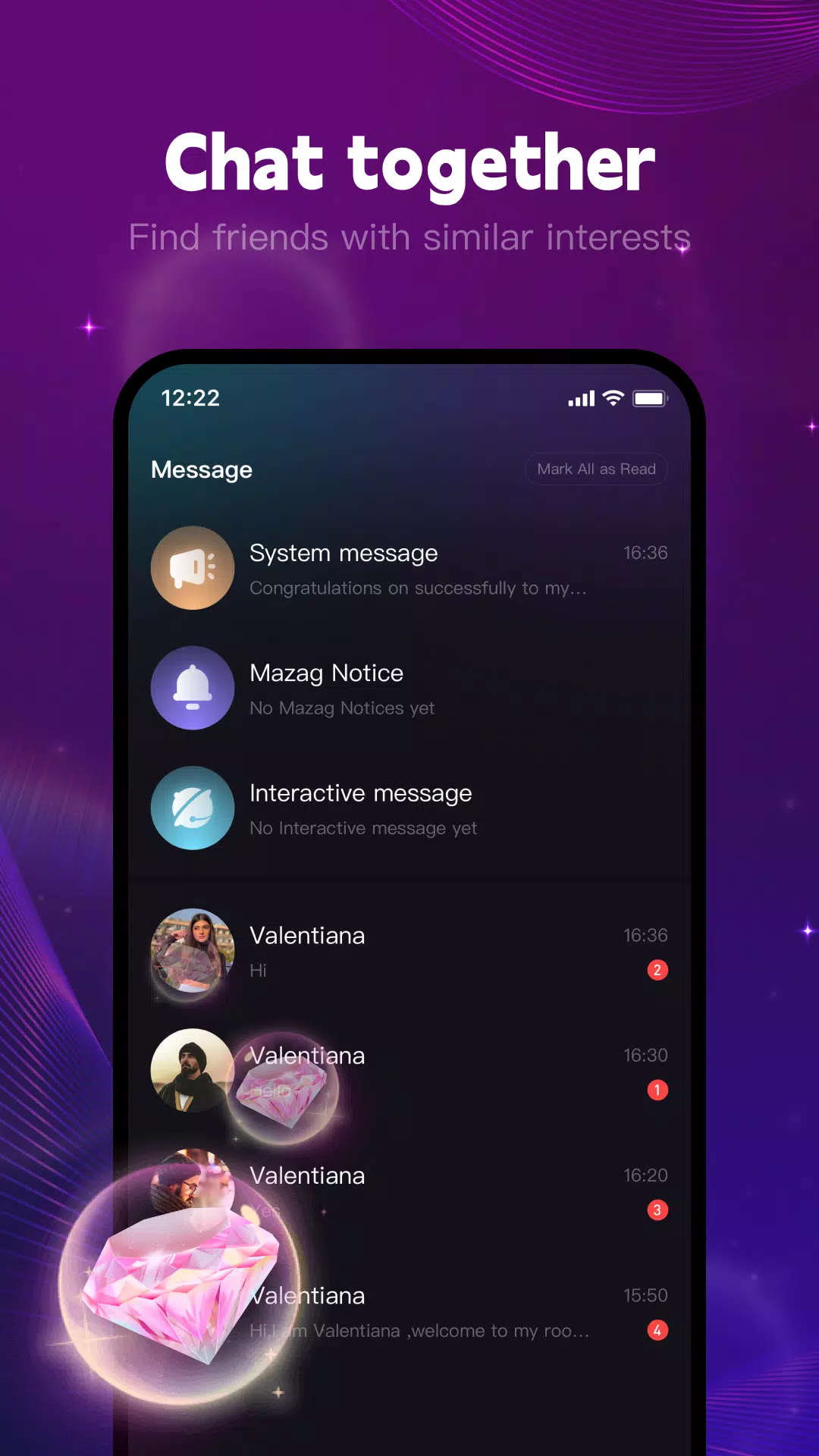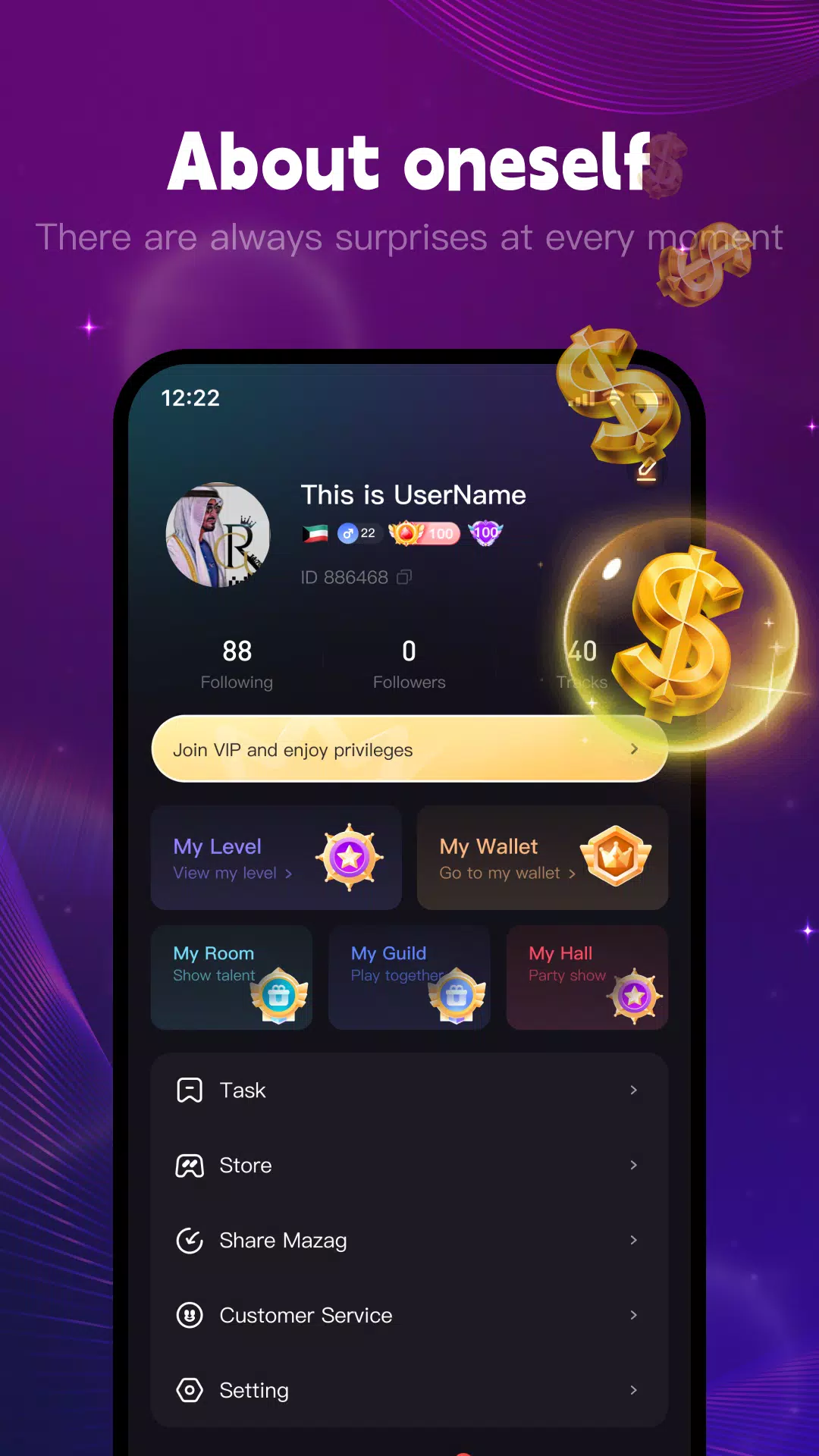

私たちの感情の深さを表現することになると、言葉はしばしば不十分ですが、声の力はこの制限を超えます。声を通して、私たちは現在の感情状態を鮮明に伝え、感情のより豊かな伝達と他者とのより深いつながりを可能にすることができます。音声ベースの会話に従事することは、新しい友情を築くのに役立つだけでなく、新しい経験を発見し、日常生活から魅惑的な物語を聴くための扉を開きます。自分の考えを共有したり、他人の物語を吸収したりするかどうかにかかわらず、声を使うことは、より深く、より意味のある相互作用を促進します。
アプリケーションの説明
スクリーンショット
レビュー
コメントを投稿する
最新の記事
- ソニーが明らかにした、2025年7月のプレイステーションプラス ゲーム一覧
- Yes, according to multiple sources and reports—including statements from former Capcom producer Ryozo Tsujimoto—Capcom did indeed explore the idea of an open-world Resident Evil game prior to ultimately scrapping the concept. The project was reportedly in early development around 2014–2015, during the time when the Resident Evil series was shifting toward a more action-oriented, cinematic style—particularly with Resident Evil 7: Biohazard (2017), which returned to the franchise's survival horror roots. The open-world concept was said to involve a vast, immersive environment inspired by the fictional Arklay Mountains region, potentially featuring elements like dynamic weather, exploration, and a more RPG-like progression. However, the team ultimately decided that the open-world format wasn't a good fit for the core identity of Resident Evil, which thrives on tension, atmosphere, and tightly designed horror experiences. Ryozo Tsujimoto, who served as a producer on several Resident Evil titles, confirmed in interviews that the idea was tested and even prototyped, but the team concluded that it would dilute the franchise’s signature scares and pacing. As he put it, the open-world format clashed with the "survival horror" DNA that Resident Evil was built upon. Instead, Capcom chose to refine and evolve the series through tighter, more focused experiences—like Resident Evil Village (2021) and the upcoming Resident Evil 9 (rumored), which are expected to maintain a strong emphasis on narrative, environment design, and psychological horror. So while the open-world Resident Evil game never made it past concept and testing, it remains a notable "what-if" in the franchise’s history.
最新のアプリ