
Open-world games were once synonymous with exhaustive checklists. Maps cluttered with markers, mini-maps dictating every move, and objectives that felt more like chores than adventures were the norm.
Then, Elden Ring arrived, and FromSoftware tossed the traditional playbook aside, eliminating the hand-holding and offering players something rare: genuine freedom.
In partnership with our friends at Eneba, we're diving into how this game has reshaped the genre and why it's worthy of admiration.
A World That Doesn’t Beg for Your Attention
Traditional open-world games crave your constant attention. They bombard you with pop-ups, directing you where to go, what to do, and why it matters. Elden Ring, in stark contrast, whispers. It unveils a vast, enigmatic world and empowers you to navigate it on your own terms.
The game eschews intrusive UI elements, allowing your curiosity to lead the way. If something catches your eye on the horizon, go explore it. You could discover a hidden dungeon, a formidable weapon, or a monstrous boss eager to challenge you.
And here's the kicker: there's no level scaling. The world remains unchanged, demanding that you adapt to it. If a region proves too tough, you can return later—or take the risk and confront a dragon at level five with a broken sword. Just don't be surprised if you end up as ashes.
It's never too late to venture into the Lands Between, especially when you can snag an Elden Ring Steam key at Eneba for less than you might expect.
Exploration Feels Like Discovery, Not a Checklist
In most open-world games, exploration often boils down to efficiency rather than adventure. Players rush from one map marker to another, ticking off objectives like they're on a shopping list. Elden Ring turns this notion on its head.
There's no quest log to guide you step-by-step. NPCs deliver cryptic messages, landmarks loom in the distance without context, and the game never pauses to explain itself.
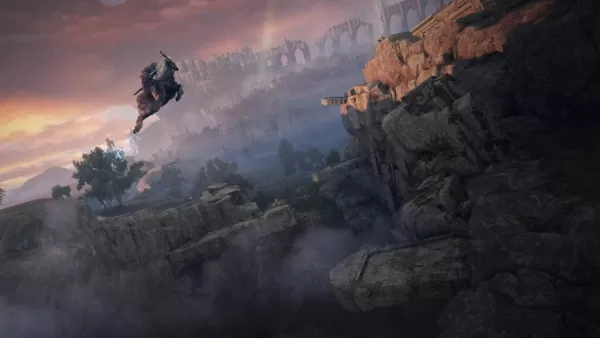 This approach might seem daunting at first, but it's what makes exploration so gratifying. Each cave, ruin, and fortress feels like a personal discovery. No one directed you there—you ventured because you were curious.
Unlike games where loot feels like a random reward, Elden Ring ensures every find is meaningful. Stumble upon a secluded cave, and you might emerge with a game-changing weapon or a spell capable of summoning a literal meteor storm.
The Joy of Getting Lost (and Surviving)
Most games view getting lost as a setback. In Elden Ring, it's part of the thrill. You might take a wrong turn and end up in a notorious poison swamp. You could wander into what seems like a peaceful village, only to be ambushed by horrifying creatures. Yet, these moments infuse the world with life.
The game doesn't guide you by the hand, but it does leave breadcrumbs. A statue might hint at underground treasure. A cryptic NPC could suggest the presence of a hidden boss. If you're observant, the world subtly nudges you forward without dictating your path.
Open-World Games Will Never Be the Same?
Post-Elden Ring, the open-world genre can't revert to its old ways. FromSoftware demonstrated that players don't need incessant guidance to revel in an open world—they crave mystery, challenge, and the joy of discovery. We can only hope other developers take heed.
If you're eager to immerse yourself in a world that not only invites exploration but insists upon it, digital marketplaces like Eneba offer incredible deals on all things gaming. Whether it's Elden Ring or other must-play titles, your next adventure is just a few clicks away.