
This article explores the evolution of Kirby's marketing strategy in the West, revealing why his image differed significantly from his Japanese counterpart. Former Nintendo employees shed light on the localization decisions and Nintendo's evolving global approach.
The "Angry Kirby" Phenomenon: A Western Marketing Tactic
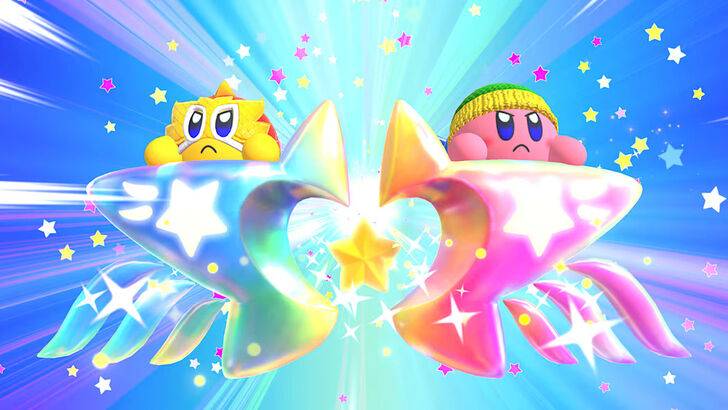
Kirby's Western portrayal often featured a more determined, even "angry," expression on game covers and promotional materials. Leslie Swan, former Nintendo Localization Director, clarified that the goal wasn't to depict anger, but rather to convey a sense of resolve. While cute characters resonate broadly in Japan, Swan noted a preference for tougher characters among American tween and teen boys. Shinya Kumazaki, director of Kirby: Triple Deluxe, corroborated this, highlighting the contrasting appeal of cute versus tough Kirby in Japan and the US respectively. However, he also pointed out that this wasn't universally applied, citing Kirby Super Star Ultra's consistent box art across regions. The core gameplay, emphasizing Kirby's battles, aimed to showcase his serious side, even while acknowledging his cuteness as a primary draw in Japan.
Marketing Kirby as "Super Tuff Pink Puff"
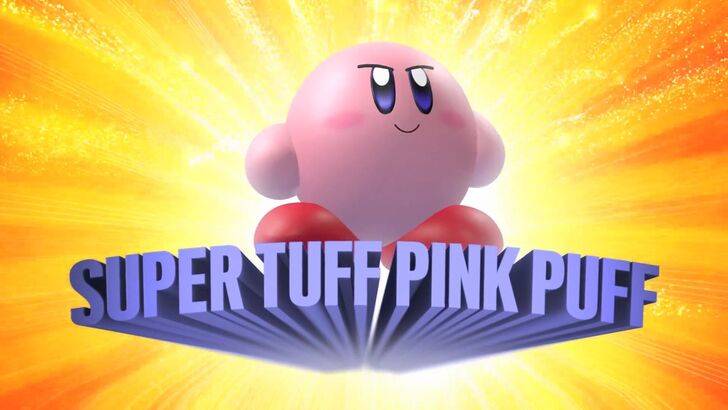
Nintendo's marketing actively aimed to broaden Kirby's appeal, particularly to boys. The "Super Tuff Pink Puff" tagline for Kirby Super Star Ultra (2008) exemplifies this strategy. Krysta Yang, former Nintendo of America Public Relations Manager, explained Nintendo's desire to shed its "kiddie" image during that era. The perception of a game as "kiddie" was considered a significant disadvantage. This led to a conscious effort to portray Kirby as tougher and to emphasize the combat elements of his games, mitigating the "just for kids" label. In recent years, the focus has shifted towards gameplay and abilities, as seen in Kirby and the Forgotten Land (2022) marketing. While acknowledging ongoing efforts to create a more well-rounded character, Yang admitted that Kirby is still largely perceived as cute rather than tough.
Nintendo's US Localization of Kirby: A Historical Perspective
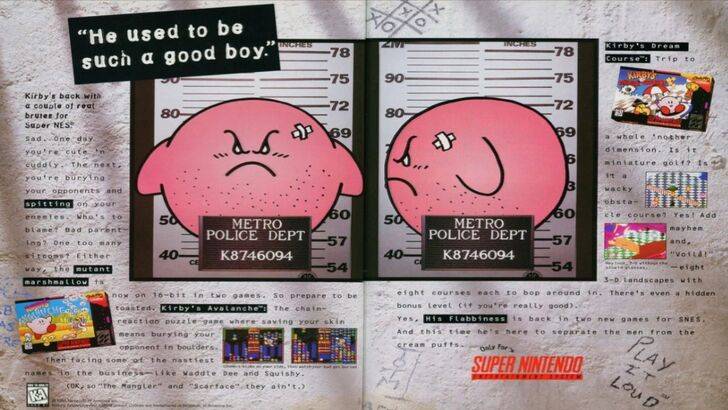
The divergence in Kirby's localization began early. A notorious 1995 "Play It Loud" advertisement featured Kirby in a mugshot. Subsequently, Kirby's facial expressions on game box art varied considerably. Games like Kirby: Nightmare in Dream Land (2002), Kirby Air Ride (2003), and Kirby: Squeak Squad (2006) showcased a Kirby with sharper features and a more intense expression. However, the facial adjustments weren't the only changes. The original Kirby's Dream Land (1992) Game Boy release featured a desaturated, almost ghostly Kirby compared to his pink Japanese counterpart. The Game Boy's monochrome display meant US players only saw his true pink hue with Kirby's Adventure (1993) on the NES. Swan highlighted this as a challenge, recognizing that a "puffy pink character" wouldn't appeal to the target demographic. This ultimately led to the altered facial expressions in US box art. More recently, global marketing has aimed for consistency, with Kirby's image fluctuating between serious and cheerful expressions.
Nintendo's Evolving Global Approach
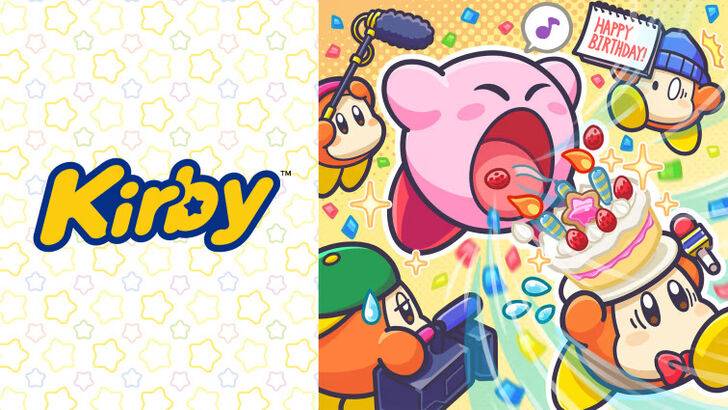
Swan and Yang concur that Nintendo has adopted a more global perspective. Collaboration between Nintendo of America and its Japanese counterpart is stronger than ever, leading to more consistent marketing and localization. Regional variations, such as the differing Kirby box art, are being minimized, avoiding past missteps like the 1995 advertisement. Yang acknowledges both the advantages and disadvantages of this global strategy. While it ensures brand consistency, it can sometimes overlook regional nuances, potentially resulting in "bland, safe marketing." The shift is partly attributed to the industry's globalization and the increased exposure of Western audiences to Japanese culture. This familiarity with Japanese aesthetics has influenced the approach to localization, leading to a more unified global presentation.